
Best Ice Baths UK – Your Cold Water Therapy Buyer’s Guide
Cold water therapy has moved from elite sport into everyday home wellness, and more people across the UK are now looking for a proper ice bath they can use at home. If you are weighing up your options, this guide explains what an ice bath actually does, how cold it should be, how long to stay in, and what to look for when you buy. We also share the ice baths we recommend for UK homes.
What is an ice bath?
An ice bath, also called a cold plunge, is a tub of cold water you immerse your body in for a short period. Traditionally, people added bags of ice to a standard bath. Modern home ice baths make it far easier, using a powered chiller to hold the water at a set cold temperature and a filter to keep it clean, so it is ready whenever you are.
The practice sits under the wider umbrella of cold water therapy, the deliberate use of cold exposure to support recovery and wellbeing. It pairs naturally with heat therapy such as a sauna, which is why many people build a simple hot and cold routine at home.
The benefits of ice baths
Research into cold water immersion is still developing, but the reasons people use ice baths are consistent and well established in sport and recovery settings. The most commonly reported benefits include:
- Faster recovery after exercise. Cold immersion is widely used to ease muscle soreness after hard training, so you feel readier for your next session.
- Reduced inflammation and fatigue. Cold can help calm the aches and heaviness that follow intense effort.
- A mental lift. A short cold plunge triggers a sharp rise in alertness and a release of endorphins. Many people describe feeling clear headed, energised and calmer afterwards.
- Better circulation. Moving between cold and warm encourages blood vessels to contract and expand, which supports healthy circulation.
- Resilience and routine. Regular cold exposure is something you build up to, and many people value the discipline and the daily reset it gives them.
Ice baths are a wellbeing practice rather than a medical treatment, and they are not right for everyone. If you have a heart condition, high blood pressure, circulation problems or you are pregnant, speak to your doctor before starting. Never plunge alone until you are confident, and always ease in gradually.
How cold should an ice bath be?
For most people starting out, an ice bath sits somewhere between 10 and 15 degrees Celsius. That is cold enough to get the benefits while still being manageable. As you get used to it, you can go colder, and experienced users often plunge at around 3 to 5 degrees. The key is to start on the warmer side and lower the temperature over time rather than jumping straight into very cold water.
This is where a powered ice bath earns its place. Instead of guessing with bags of ice, an integrated chiller lets you set and hold an exact temperature every time, so each plunge is consistent.
How long should you stay in an ice bath?
Less is more, especially at the start. Begin with just 1 to 2 minutes and build up as your body adapts. Most people settle into a routine of around 2 to 5 minutes, and there is rarely any need to stay in longer than 10 minutes. Focus on slow, steady breathing, and get out if you start shivering uncontrollably or feel unwell.
Types of ice baths
Home ice baths broadly fall into three groups:
- Portable and inflatable tubs. The most affordable way in. These lightweight tubs are easy to store and move, but you usually chill them yourself with bags of ice, which takes effort and gets expensive over time.
- Hard sided barrel tubs. More durable and better looking than inflatables, though many still rely on manual chilling unless you add a separate chiller.
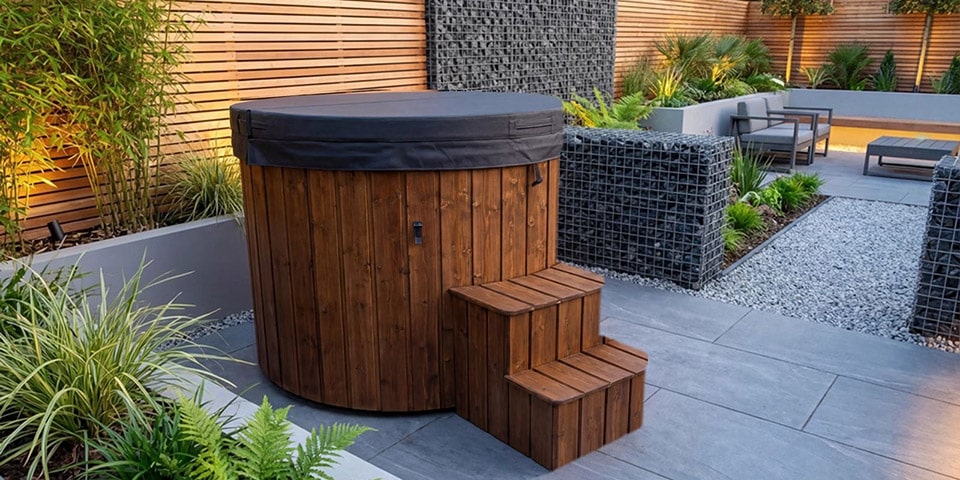
- Powered plunge tubs. The premium option, with a built in chiller and filtration so the water stays cold, clean and ready whenever you are. This is the most convenient choice for regular use and the closest thing to a professional set up at home.
You can of course fill a regular bathtub with cold water and ice, but it is messy, hard to keep at a steady temperature and not very practical day to day. A dedicated ice bath solves all of that.
How to choose the best ice bath
Ice baths range from simple inflatable tubs to premium plunge pools with everything built in. When you are comparing options for home, these are the things that make the biggest difference:
- Temperature control. A built in chiller that holds a set temperature is the single biggest upgrade over a manual, ice filled tub. It saves you buying ice and gives you the same plunge every day.
- Filtration and sanitation. A good filtration system keeps the water clean and clear, so you are not emptying and refilling constantly.
- Insulation. Well insulated ice baths hold their temperature more efficiently, which keeps running costs down.
- Size and space. Check the footprint and the internal dimensions. Make sure it suits your body and the spot you have in mind, indoors or out.
- Build quality and warranty. A durable, properly made ice bath will stand up to daily use and the British weather. Always check the warranty.
- Ease of use and power. Look at how simple it is to run day to day, and check the electrical requirement. Many quality home models run from a standard domestic socket.
The best ice baths for UK homes
At Champion Hot Tubs we have chosen a small, focused ice bath range so you are picking from genuinely good options rather than wading through dozens. Here are our two recommendations, one premium and one to get you started.
Kodiak S-Series Ice Bath: our premium pick
The Kodiak S-Series Ice Bath is our standout choice for anyone serious about cold water therapy at home. It is a powered single person plunge with a generous 435 litre capacity, so there is room to immerse properly, and it runs from a standard 13 amp supply. With its integrated system doing the hard work of chilling and filtering, it is genuinely a set it and use it ice bath. Guide price is £4,499.
Nova Plunge: a great place to start
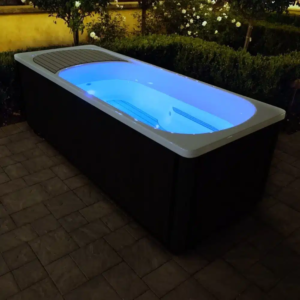
If you want to try cold water therapy without the premium outlay, the Nova Plunge is a compact single person plunge that fits neatly into smaller spaces and also runs from a standard 13 amp supply. Guide prices start from £1,899. It is an easy, affordable way to build the habit.
You can see the full ice bath range here. As a rough guide, premium home ice baths in the UK tend to sit between around £1,900 and £4,500 depending on size, materials and how much of the chilling and filtering is built in.
Ice baths and saunas – better together
Many people get the most from cold water therapy by pairing it with heat. Moving between a warm sauna and a cold plunge is a classic contrast routine that feels fantastic and makes the cold far more approachable. If you are building a home wellness set up, it is well worth considering both together.
See an ice bath in person
Choosing an ice bath is much easier when you can see one for yourself. Our ice baths are on display at our showrooms in Cheshire and Staffordshire, where the team can talk you through temperature, running costs and the right size for your space. Come and visit our Cheshire showroom or Staffordshire showroom, or get in touch and we will be happy to help.
Ice bath Frequently Asked Questions
What do ice baths do?
An ice bath cools your body quickly, which is widely used to ease muscle soreness and fatigue after exercise, support circulation and give a strong boost to alertness and mood. Many people use them for recovery and for the mental reset a short cold plunge provides.
How cold should an ice bath be?
Most beginners start between 10 and 15 degrees Celsius. As you get used to it you can go colder, and experienced users often plunge at around 3 to 5 degrees. Start warmer and lower the temperature gradually.
How long should you stay in an ice bath?
Start with 1 to 2 minutes and build up over time. Most people aim for around 2 to 5 minutes, and there is rarely a need to stay in longer than 10. Get out if you feel unwell or start shivering uncontrollably.
How does an ice bath work?
Cold water immersion causes your blood vessels to constrict and your body to respond to the cold. When you warm up afterwards, circulation increases again. This cycle, along with the release of endorphins and other alertness hormones, is behind the recovery and mood benefits people report.
What temperature should an ice bath be?
A good target for most home users is 10 to 15 degrees Celsius to begin with, moving colder as you adapt. A powered ice bath with a built in chiller lets you set and hold your chosen temperature precisely.
Are ice baths safe?
For most healthy adults, short cold plunges are safe when you ease in sensibly and do not overstay. If you have a heart condition, high blood pressure, circulation issues or you are pregnant, check with your doctor first, and avoid plunging alone until you are confident.
Is it worth buying an ice bath?
If you plan to use cold water therapy regularly, a dedicated ice bath quickly pays off in convenience. A powered plunge holds a consistent temperature at the push of a button, with no buying and hauling bags of ice, so you are far more likely to stick with the habit and actually feel the benefits.
Are cold showers the same as ice baths?
Not quite. A cold shower is a good, easy introduction to cold exposure, but an ice bath gives full body immersion at a controlled, consistently cold temperature. Most people find an ice bath more effective for recovery and for the mental boost.
Ready to bring cold water therapy home? Explore the Champion ice bath range or visit a showroom to try one for yourself.
